Strength Training After 60: Why It Is the Single Best Thing for Healthy Aging
Muscle loss accelerates after 60, but it is reversible. Learn why strength training is the most evidence-backed intervention for senior health and longevity.

Vignesh
Head Coach
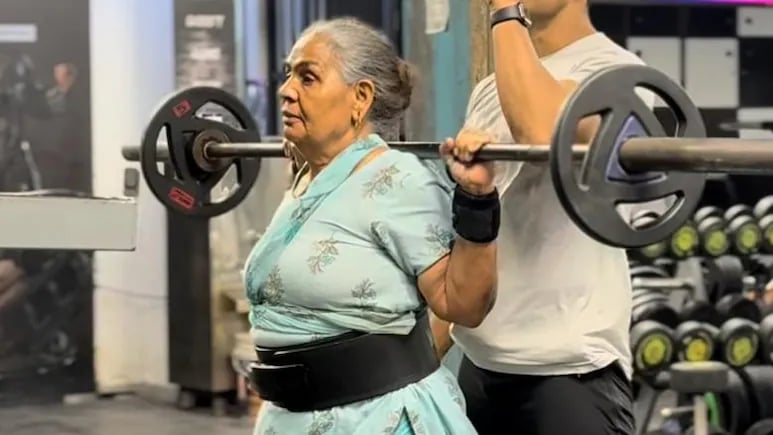
The Muscle Loss Problem Nobody Talks About
Starting around age 30, adults lose 3–5% of muscle mass per decade. After 60, this accelerates dramatically — a condition called sarcopenia. By 80, many seniors have lost 30–50% of their muscle mass, leading to weakness, falls, fractures, and loss of independence.
But here is what most people do not know: sarcopenia is largely reversible. Seniors who begin strength training — even in their 70s and 80s — can rebuild significant muscle mass and functional strength.
The Evidence Is Overwhelming
Decades of research confirm that resistance training for seniors:
- Increases muscle mass and strength by 25–100% in the first 3–6 months
- Reduces fall risk by up to 40%
- Improves bone density, reducing fracture risk
- Lowers blood sugar levels and improves insulin sensitivity
- Reduces symptoms of arthritis, back pain, and depression
- Improves sleep quality and cognitive function
- Increases metabolic rate, helping maintain healthy weight
Safe Strength Training for Seniors: Where to Start
The Foundation Exercises
These movements target the major muscle groups most important for daily function:
- Chair squats: Builds leg strength for sitting, standing, and stair climbing
- Wall push-ups: Strengthens chest, shoulders, and arms for pushing and reaching
- Seated rows (with resistance band): Strengthens back muscles for posture and pulling
- Standing calf raises: Improves ankle strength and walking stability
- Seated leg extensions: Targets quadriceps for knee support
How Often and How Much
The recommended starting point for seniors is 2–3 sessions per week, with at least one rest day between sessions. Each session should include 6–8 exercises covering all major muscle groups, with 2–3 sets of 8–12 repetitions per exercise.
The key principle: start lighter than you think necessary, focus on proper form, and progress gradually. Consistency matters far more than intensity in the early months.
Why Professional Guidance Matters
While strength training is safe for most seniors, proper form and appropriate progression are critical. A qualified fitness coach or physiotherapist can:
- Assess current strength levels and identify imbalances
- Design a program that accounts for existing conditions (arthritis, osteoporosis, heart disease)
- Ensure proper form to prevent injury
- Progress the program as strength improves
- Keep your parent motivated and accountable
At Kinetic Age, our fitness coaches specialize in senior-safe strength training. Every program is designed under doctor oversight and adapted weekly based on progress. Combined with physiotherapy and nutrition support, it is a comprehensive approach to building lasting strength and independence.
Written by
Vignesh
Head Coach