Strength Training Tailored for Senior Safety & Mobility
Muscle loss after 60 is the primary driver of falls, fractures, and loss of independence. Our strength training program is designed specifically for seniors — safe, progressive, and supervised by qualified coaches under doctor oversight. We rebuild the functional strength your parent needs for daily life. Women over 60 lose muscle mass 25% faster than men during menopause-related hormonal changes — making structured strength training not just beneficial but medically recommended for bone density, joint protection, and metabolic health.

Reviewed by Vignesh G
Fitness Trainer
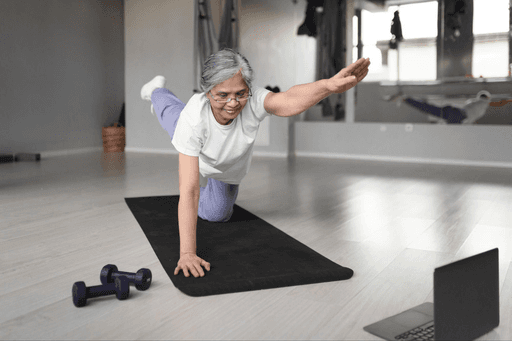
What Makes Our Strength Program Different
Senior-Safe Design
Every exercise is selected for safety — proper form, appropriate resistance, and progressions that match your parent's ability level.
Functional Focus
We train movements, not muscles. Sit-to-stand, stair climbing, reaching, carrying — the strength that matters for daily independence.
Doctor-Supervised
A senior clinician reviews the program weekly, ensuring exercises are appropriate for your parent's health conditions and medications.
Progressive Overload
Systematic, gradual increases in resistance and complexity that build real strength without injury risk.
Fall Prevention Built In
Balance and stability exercises are integrated into every session — strength and balance together reduce fall risk by up to 40%.
Home-Based Sessions
All equipment provided — resistance bands, light weights, stability tools. No gym membership or travel required.
What's Included in Every Session
Warm-Up & Joint Prep
Gentle movements to prepare joints, increase blood flow, and activate muscles safely before the main workout.
Lower Body Strengthening
Chair squats, leg presses, calf raises, and step-ups to build the leg strength essential for walking, stairs, and fall prevention.
Upper Body Strengthening
Wall push-ups, resistance band rows, shoulder presses, and arm curls for pushing, pulling, reaching, and carrying ability.
Core Stability
Gentle core exercises — seated rotations, pelvic tilts, modified planks — that improve posture, balance, and spinal support.
Balance Integration
Single-leg stands, weight shifts, and tandem walking woven into strength sessions for combined strength-balance benefits.
Functional Drills
Real-world movement practice — sit-to-stand, step-ups, reaching overhead, carrying objects — building practical daily capability.
Endurance Building
Progressive stamina work that improves energy levels, reduces fatigue, and supports cardiovascular health.
Cool-Down & Flexibility
Guided stretching to maintain muscle flexibility, prevent soreness, and promote recovery between sessions.
Progress Tracking
Strength metrics, repetition counts, and functional ability scores tracked weekly and shared with family members.
Knee Strength Building Protocol
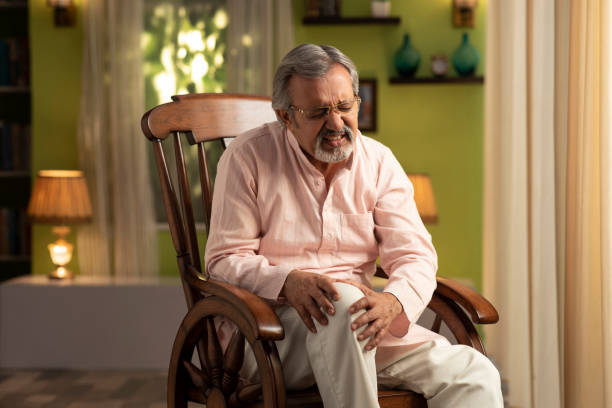
Weak quadriceps are the single largest contributor to knee pain in seniors. Our coaches use seated leg extensions, wall slides, and step-up progressions specifically calibrated for arthritic knees — building quad strength without joint stress. Most seniors see measurable improvement in stair confidence within 4 weeks.
How Your Strength Program Works
Strength Assessment
Our coach evaluates current strength levels, balance, functional ability, and health conditions. A doctor reviews and approves the exercise prescription.
Foundation Phase (Weeks 1–3)
Learning proper form with light resistance. Building exercise habit and confidence. Sessions are 30–40 minutes with generous rest periods.
Building Phase (Weeks 4–8)
Progressive increases in resistance, repetitions, and exercise complexity. Functional drills become more challenging as strength improves.
Performance Phase (Weeks 9–12)
Your parent is noticeably stronger — climbing stairs easier, getting up from chairs confidently, carrying groceries without strain.
Maintenance
A sustainable routine with periodic coached sessions to maintain gains, prevent regression, and continue progressing safely.
Frequently Asked Questions
Reviewed and answered by our clinical team. Still unsure? A free home assessment is the best place to start.
Yes — it's one of the most recommended interventions for healthy aging. Our programs are designed under doctor oversight with senior-safe exercises, proper form instruction, and gradual progression. The risk of NOT doing strength training (falls, fractures, loss of independence) far exceeds the risk of doing it properly.
Related programs

Book a free assessment now.
Start with a free home assessment — no purchase obligation. We evaluate mobility, pain, and medical history, then a doctor recommends a personalised plan.